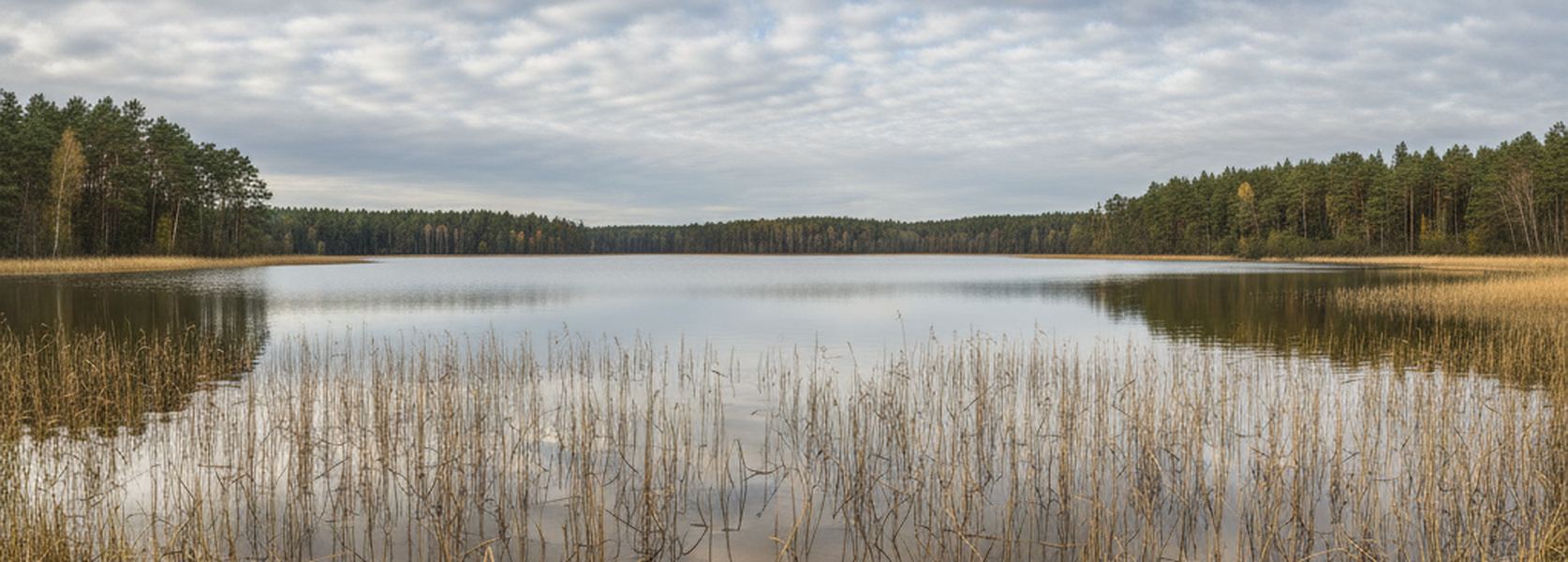
Somebody who cannot walk far can still book a boat week in the Mecklenburg lakes
You could arrange most of it yourself. The boat is a website form, the room ashore is another, and nobody strictly needs an office to book a boat week in the Mecklenburg lakes. What we are for is the half hour on the telephone that asks whether the berth floats, whether the lock is manned, and how high the step is.
- Starting figure, per person
$2,480
- Nights
- 10
- beds you will learn
- 2
- Country
- Germany
- How much of this you could arrange without us
- you could arrange most of it yourself
Confirmed as a final figure once the supplier holds the dates. Getting to the country is not included.
- Whatever is agreed comes back to you in writing from the supplier, before any money moves.
- No card is asked for on this site and none is stored: the supplier takes payment on its own terms.
- A request sent through the form is answered in writing within one working day.
Four nights on a ground floor, six on a boat
The week has two beds in it and one of them moves. The first four nights are a ground floor room in the town at the north end of the Müritz, level in from the pavement, a couple of hundred meters from the water and a bench every hundred meters along it. The town sits on the regional line from Berlin, about two hours, so you can arrive without opening a car door. The remaining six nights are on a hire boat of ten to twelve meters, two cabins, an inside wheel and a second one up on the deck. The passage we usually put forward runs north west through the connected lakes rather than out across the open Müritz: kölpinsee, then Fleesensee, then the swing bridge at Malchow, then the shallow stretch down to Plau am See. Call it forty kilometers each way. On a day you move, that is three to four hours at the wheel, because the boat is held to twelve kilometers an hour and no amount of throttle changes that. Two of the six days you do not move at all, and those are the days people remember.
What the water does after lunch
The Müritz is about a hundred and twelve square kilometers with a mean depth near six and a half meters, and shallow water builds short steep waves out of a wind that would be nothing at sea. Mornings are usually flat. By two in the afternoon a westerly has often filled in, and the open lake stops being comfortable a long time before it stops being safe. There are storm warning lights around the shore. Forty flashes a minute means strong wind is expected; ninety means leave the open water, and the hire bases treat ninety as an instruction rather than a suggestion. Move in the morning, sit in the afternoon, and the week arranges itself. July gives daytime air near twenty three degrees and nights around thirteen. Mid September to the first week of October is the stretch we tend to point at: the surface still holds seventeen or eighteen degrees, there are fewer boats about, and the cranes come in to roost on the shallows at dusk, in numbers that change from year to year and that nobody can promise you. In June, after rain, the mosquitoes off the reed and the wet alder are a subject in their own right.

Locks, bridges and the reed
Nothing here climbs. The locks between these lakes raise or drop you a meter or two, not the deep chambers of a canal in the hills, and most are worked by a keeper rather than by you. They keep office hours, roughly nine in the morning to seven in the evening at the height of summer and shorter at both ends of the season, and the times are revised; get the current ones before you build a day around them. The swing bridge at Malchow turns for boats once an hour. Miss it and you have fifty minutes to look at the town from the water. Then there is the reed, which nobody warns you about. The shoreline of these lakes is a belt of it, often thirty to fifty meters deep, so you cannot put the bow at a bank and step off. You land where somebody has built something to land at: a town harbor, a wooden pontoon at a village, a made mooring inside the park. On this week that is not a detail. A floating pontoon that sits level with your side deck and a stone quay eighty centimetres above the water are two different weeks for the same person.
How much of this you could do without us
Most of it. The boat bases here have taken reservations through their own websites for twenty years; the ground floor room is a search filter and a card; the train south from the coast or north from Berlin is four minutes on a telephone. If you have hired a boat before and you both move well, do it yourself and pay us nothing. What is left is the half that has to be asked out loud. Whether the berth you are given at each stop floats or is a wall. Whether the boat on offer has a bow thruster, because a boat that will step sideways can be put alongside by one person while the other stays sitting down. Whether the shower has a lip to cross and how high it is. Whether the lock keeper will take a line from somebody who cannot reach up to hand it over. No website answers any of that, and the answer differs by base and sometimes by boat. We ask, we write down what we were told and who told us, and you get it before anything is confirmed. Then you decide whether that was worth a commission somebody else pays.
Who this week is for, and who will find it thin
It suits two people where one has a range of a few hundred meters and no wish to discuss it further. Sitting is the point. You are on a bench, or in a chair on the upper steering position, or in the front of a horse wagon that runs into the park from one of the hamlets in summer, and the country comes past at a speed you can watch. It does not suit anybody who wants to be shown things. There is nothing on this water that a guide would stand in front of. The old town above the harbor is cobbles and a gradient, and if the person you are traveling with uses a stick you will walk that street once and then stop walking it. The lookout tower in the middle of the park is twenty seven meters of open stair and forms no part of this. Two other weeks in this shortlist stay on land and on flat ground; this one puts you afloat for six nights and asks somebody to learn a wheel, three locks and a bridge. If neither of you wants to steer, choose one of the others rather than solve it on the day.
Short answers to the usual doubts
Do we need a German boat license for this?
Not a license in the usual sense. German rules let you take a hire boat on these waters on a charter certificate: the base gives you at least three hours of instruction on the boat you are actually taking, then writes the certificate out. The boat is held to fifteen meters and twelve kilometers an hour, and the certificate covers a defined set of waters rather than everything printed on the chart. Bring a license if you hold one. If you do not, those three hours are the price of admission and they are worth sitting through.
Can you reserve our flights to Germany?
No. We put no aircraft and no ship into anybody's hands. This office has no arrangement with any carrier, could not sell you a seat if you insisted, and does not want to. Buy the flights yourselves, in your own names, from whoever you like. Where we are of use is narrower: which arrival still leaves time for the afternoon regional train, and holding the room ashore against a late landing, so that an aircraft two hours down costs you a taxi fare and not a night.
Is a hire boat any use to somebody in a wheelchair?
Mostly not, and we would rather say it here than let you find out at the pontoon. A standard boat of this size has four or five steep steps down to the cabins, doors around sixty centimetres wide, and a bathroom you enter sideways. A folding chair can live on the after deck, and on some models the upper steering position is reachable by a shallow stair. Nobody should reserve this week expecting a boat that works for a chair. For somebody who walks slowly, tires early and can take steps with a hand on each side, it works, and that person is who the ten nights were built around.
What does the $2,480 not cover?
Fuel, which these boats bill by the running hour and comes to roughly eight to twelve euros an hour on a boat this size. Harbor dues, twelve to twenty euros a night. The final clean, ninety to a hundred and fifty. And the security deposit, commonly five hundred to fifteen hundred euros, which the base puts on your card at their own desk on the day you arrive. We never see that number and we hold none. Our own fee is nothing: the supplier settles a commission with us after you have been and come home.